






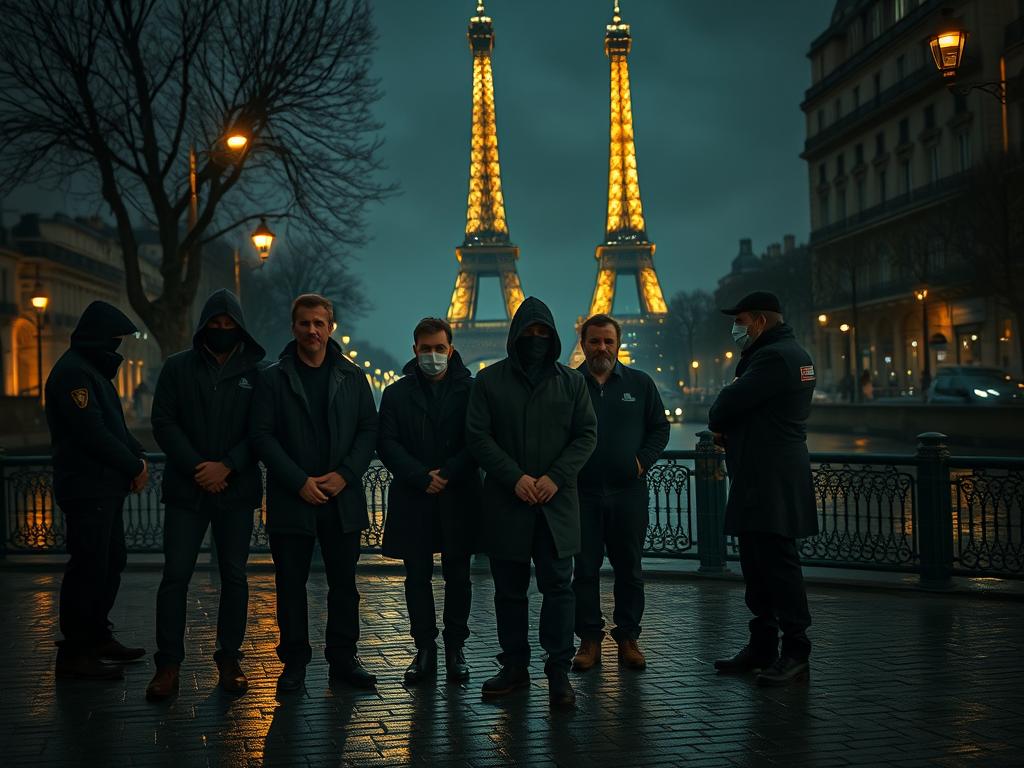
In a dramatic turn of events that echoes the plots of Cold War-era espionage thrillers, French authorities have apprehended four individuals suspected of involvement in espionage-related activities in Paris. Among those arrested are two Russian nationals, adding an intriguing international dimension to the case. The investigation, which highlights the ongoing tensions and geopolitical maneuvering emblematic of the post-Soviet era, underscores the persistent relevance of espionage in modern international relations.
The arrests stem from a probing investigation into a pro-Russia group suspected of engaging in clandestine activities. This raises questions about the group’s objectives and its potential impact on the delicate geopolitical landscape of Europe. With the Paris prosecutor’s office being tight-lipped about the details, many are left speculating on the nature and extent of the alleged activities. Notably, this event draws attention to the broader concerns of state-sponsored espionage and its repercussions on national security.
While France is traditionally known for its arts and gastronomy, its role as a stage for international espionage is not new. The country’s strategic position in Europe makes it a crucial target for both Western and Eastern interests. This case serves as a stark reminder of France’s challenge to safeguard its sovereignty while balancing international diplomacy. The involvement of Russian nationals points to the plausible influence of geopolitical tensions, especially against the backdrop of Russia’s often contentious relations with Western nations.
For observers, the unfolding situation brings forth a myriad of concerns about the growing complexities of international espionage. In an era where global alliances are shifting and the digital landscape offers new terrains for intelligence operations, countries must remain vigilant. The capture of these individuals not only halts their immediate activities but also allows authorities to potentially unravel larger networks operating under the veil of normalcy.
As this case develops, it serves as a critical reminder that espionage is more than a relic of the past. It is a present-day reality influencing global politics. This incident in Paris, a city renowned for its historical significance and modern-day influence, may just be a microcosm of broader international trends. It points to the need for continued vigilance and cooperation among nations to address the persistent challenges posed by espionage, ensuring a more secure future for all.