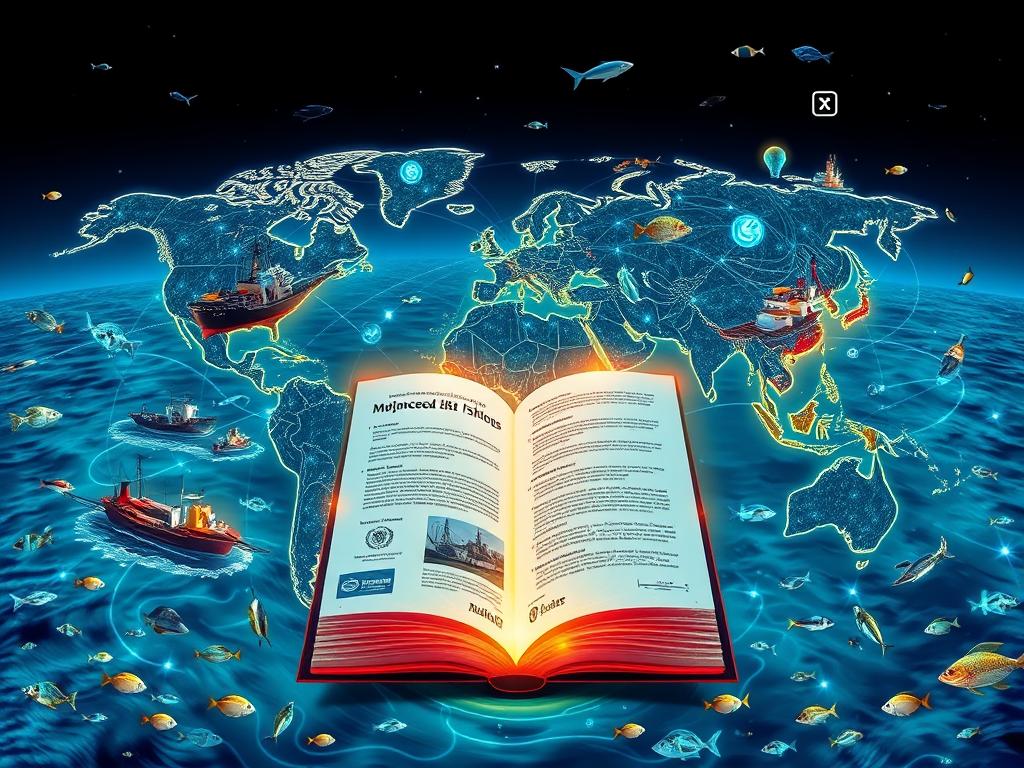
The fight against illegal, unreported, and unregulated (IUU) fishing has taken a significant leap forward with the release of a comprehensive handbook aimed at transforming global import control programs. As nations around the world grapple with the consequences of IUU fishing—from depleted fish stocks to economic instability and ecosystem disruption—this handbook could serve as a beacon, guiding countries towards more sustainable and secure seafood industries.
IUU fishing not only undermines the efforts of responsibly managed fisheries but also poses a threat to marine biodiversity and the livelihoods of countless communities dependent on the sea. The handbook’s introduction is timely, as the international demand for seafood continues to grow, intensifying pressure on already strained fish stocks. By focusing on rigorous import control measures, these recommendations promise to be a game-changer in closing the loopholes that allow illicit fish products to penetrate global markets.
Key recommendations underscore the need for countries to enhance transparency and traceability in seafood supply chains. This involves deploying advanced technologies such as blockchain, which can trace products from sea to plate, ensuring that they adhere to legal standards. By digitizing these processes, governments can significantly reduce the human errors and fraudulent activities that have long plagued the industry.
From my perspective, the real challenge will be convincing global leaders to uniformly adopt these recommendations. While the handbook provides a robust framework, the diversity of regulations across countries may complicate implementation. Moreover, the cost of upgrading infrastructure and training personnel continues to be a significant concern for developing nations. International cooperation and financial assistance could alleviate these barriers, fostering a united front against IUU fishing.
In conclusion, the battle against IUU fishing stands at a critical juncture. With this newly released handbook, the potential for a stronger, more unified approach to safeguarding our oceans has never been more promising. If countries can rally together and implement these strategies, the tides could indeed turn in favor of a future where sustainable fishing practices prevail, ensuring rich marine resources for generations to come.