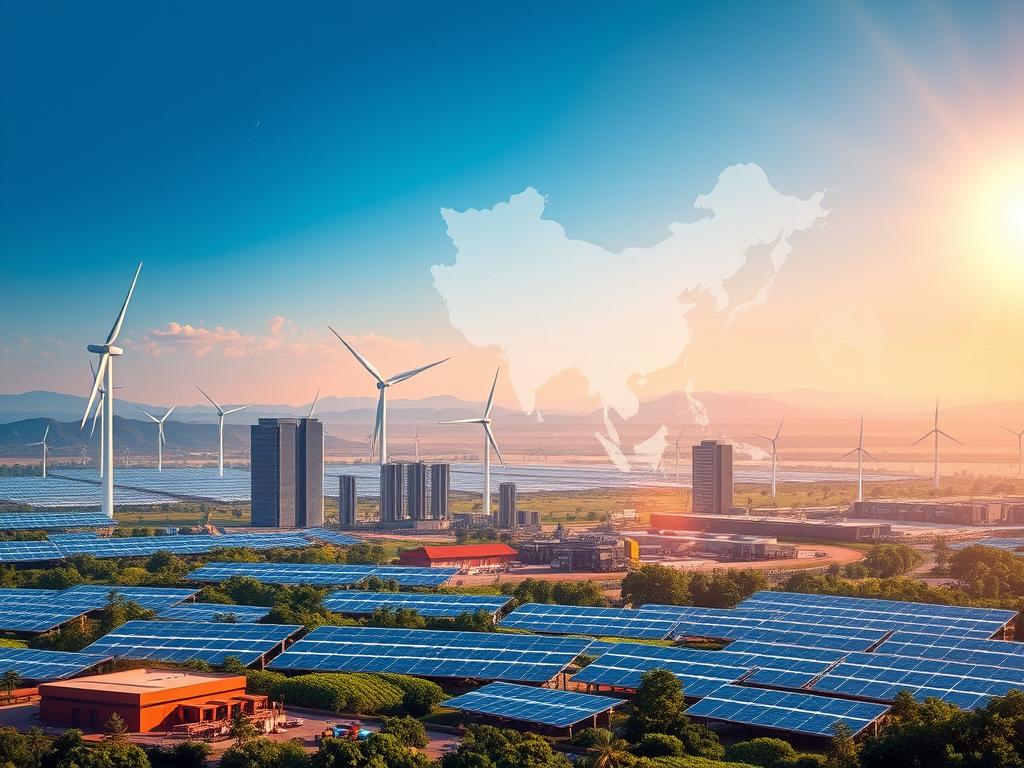
The global landscape of renewable energy is set for a transformative decade, with Asia at the epicenter of this green revolution. As projections suggest, the renewable energy market is poised to leap from a value of USD 1.26 trillion in 2025 to an impressive USD 4.60 trillion by 2035. This surge, estimated at a robust CAGR of 12.48%, highlights the growing commitment and investment in sustainable energy resources worldwide. Asia, particularly driven by China and India, stands out as the primary powerhouse in this transformation, thanks to their substantial solar and wind energy capacities combined with policy initiatives promoting clean energy.
Asia’s dominance in renewable energy can be largely attributed to its rapid industrial growth paired with increasing energy demands. China and India, as two of the world’s most populous nations, have recognized the critical need for sustainable energy solutions to support their burgeoning economies and mitigate environmental impacts. Policymakers in both countries have rolled out ambitious programs to enhance renewable energy infrastructure, transitioning away from fossil fuels towards a sustainable energy future.
China, the world’s largest producer and consumer of solar panels, continues to push boundaries with significant government investment in technology and innovation. Their Belt and Road Initiative also plays a significant role in exporting green energy technology across Asian and African nations, further cementing their leadership in this sector. Meanwhile, India’s focus on solar parks and wind farms has been pivotal, with the nation’s ‘National Solar Mission’ aiming to dramatically increase the country’s solar capacity in the next few years.
The wider Asia-Pacific region is also exhibiting promising trends, with countries like Japan and South Korea setting aggressive targets for carbon neutrality. Australia’s investments in renewable energy, particularly solar, have also firmly positioned it as a key player in the Asia-Pacific renewable landscape. The blend of governmental policies, technological advancement, and entrepreneurial innovation ensures that Asia will remain at the forefront of the global shift towards clean energy.
In conclusion, the next decade offers a remarkable opportunity for nations worldwide to change the paradigms of energy production and consumption. As renewable energies become more cost-effective and scalable, the Asia-Pacific region’s leadership exemplifies the potential of collaborative efforts between governments, the private sector, and communities. If these trends continue unabated, they could well redefine the energy narratives of our time, translating into a cleaner, more sustainable world for future generations.